Trevor’s Birding
  Subscribe       
   

Common Blackbird nesting

Common Blackbird sitting in nest

Common Blackbird sitting in nest

Just before Christmas we stayed for a few days in my brother-in-law’s holiday home in Christies Beach just south of Adelaide. It was a week of lazing by the pool, reading and sleeping after a very demanding and busy year.

I wasn’t intending doing any birding while I was there, so the birds came to me. My b-in-law has a car port attached to the house and enclosed on three sides. One of the cross beams supporting the roof was too enticing for the local resident Common Blackbirds. They’d made a very cosy nest in the corner right up against the roof. We had several days of very high temperatures while we were there so it would have been very cosy indeed!

Common Blackbirds are very opportunistic and creative when it comes to choosing a nesting site. We’ve often had them nesting inside our garden shed - in some empty plant pots. Some of my readers have told me about nests in pot plants - even those with plants in them, nests in hanging baskets and nests in all sorts of locations.


Galah

Galah

Galah

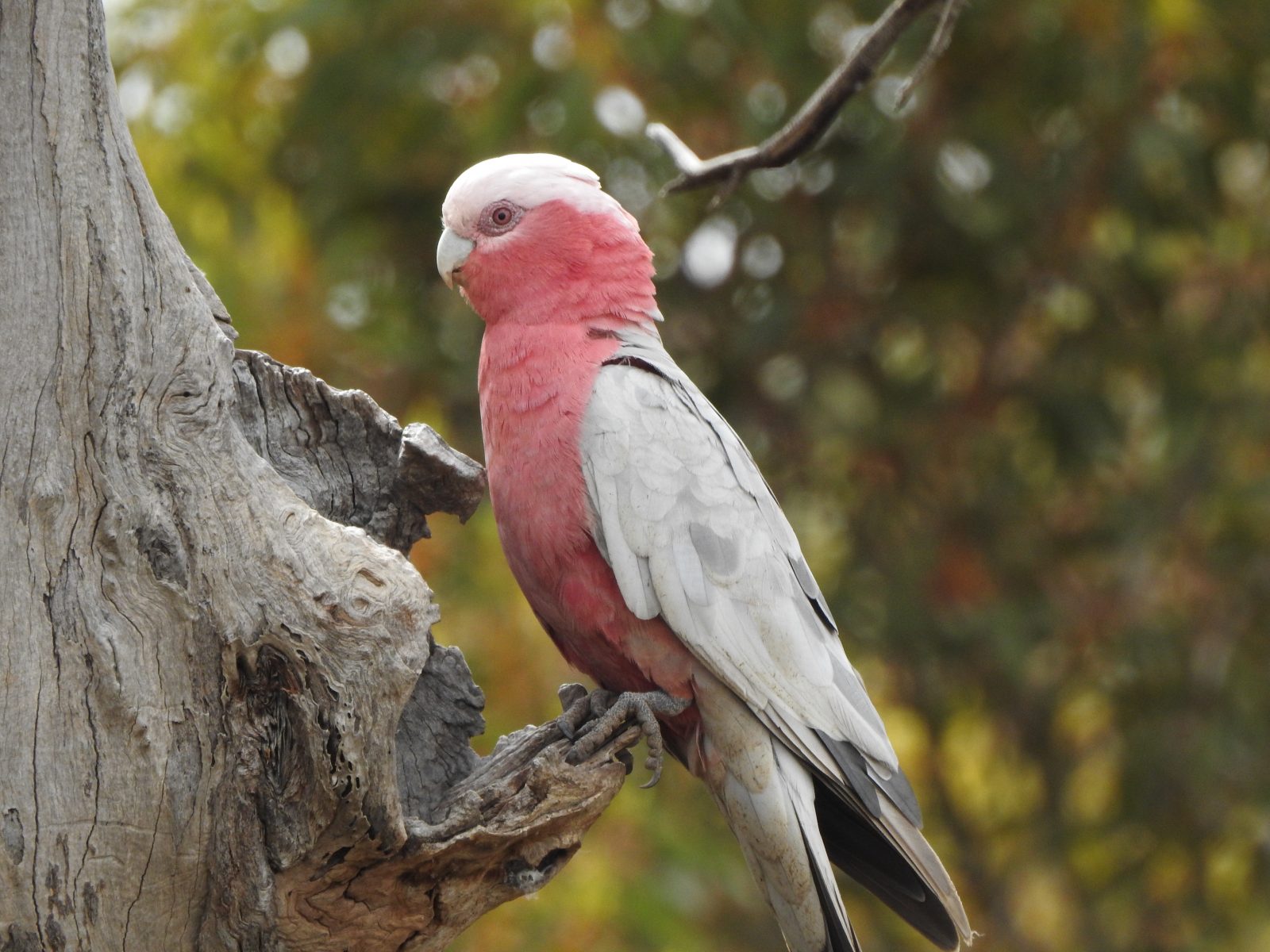
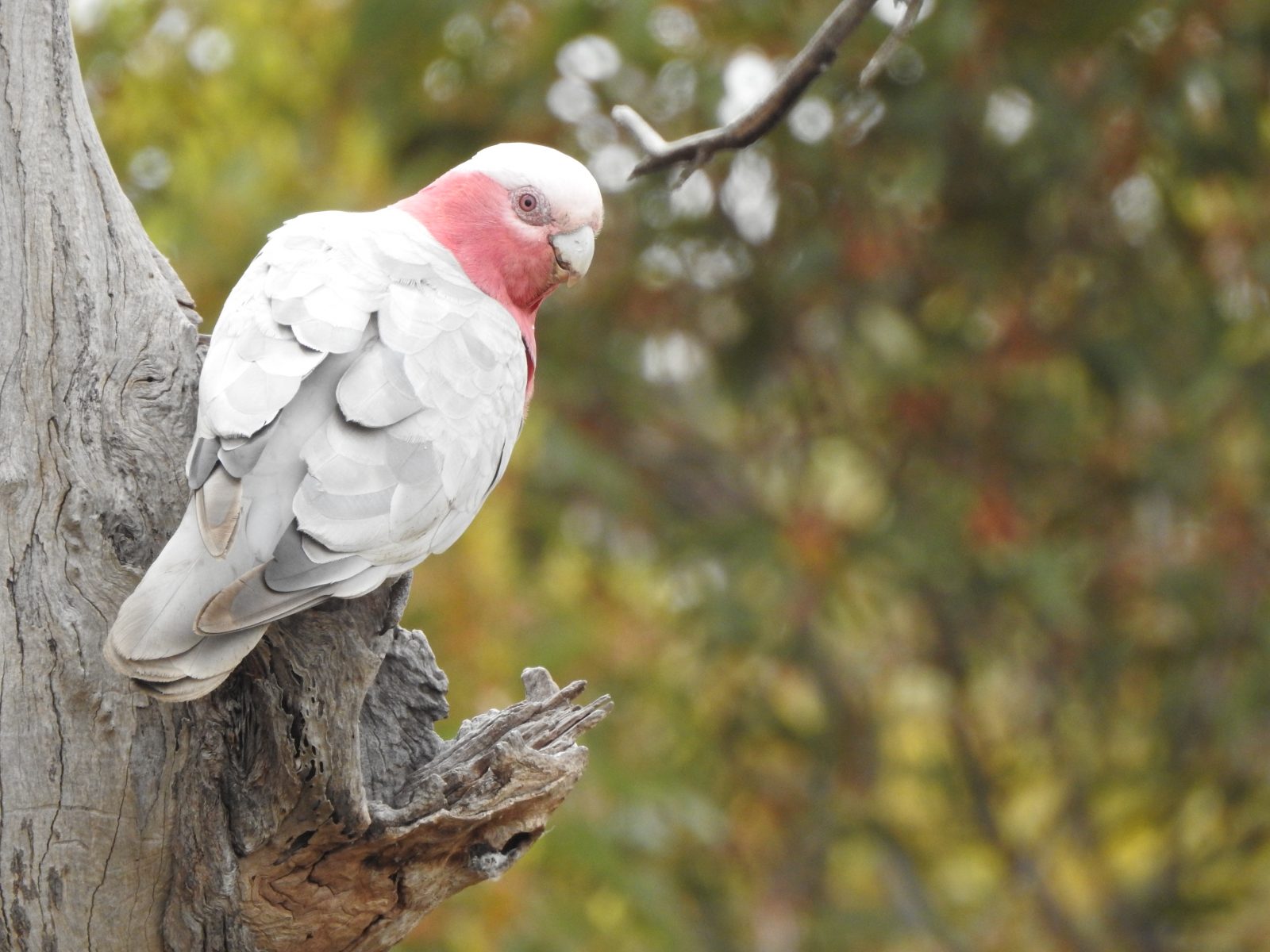
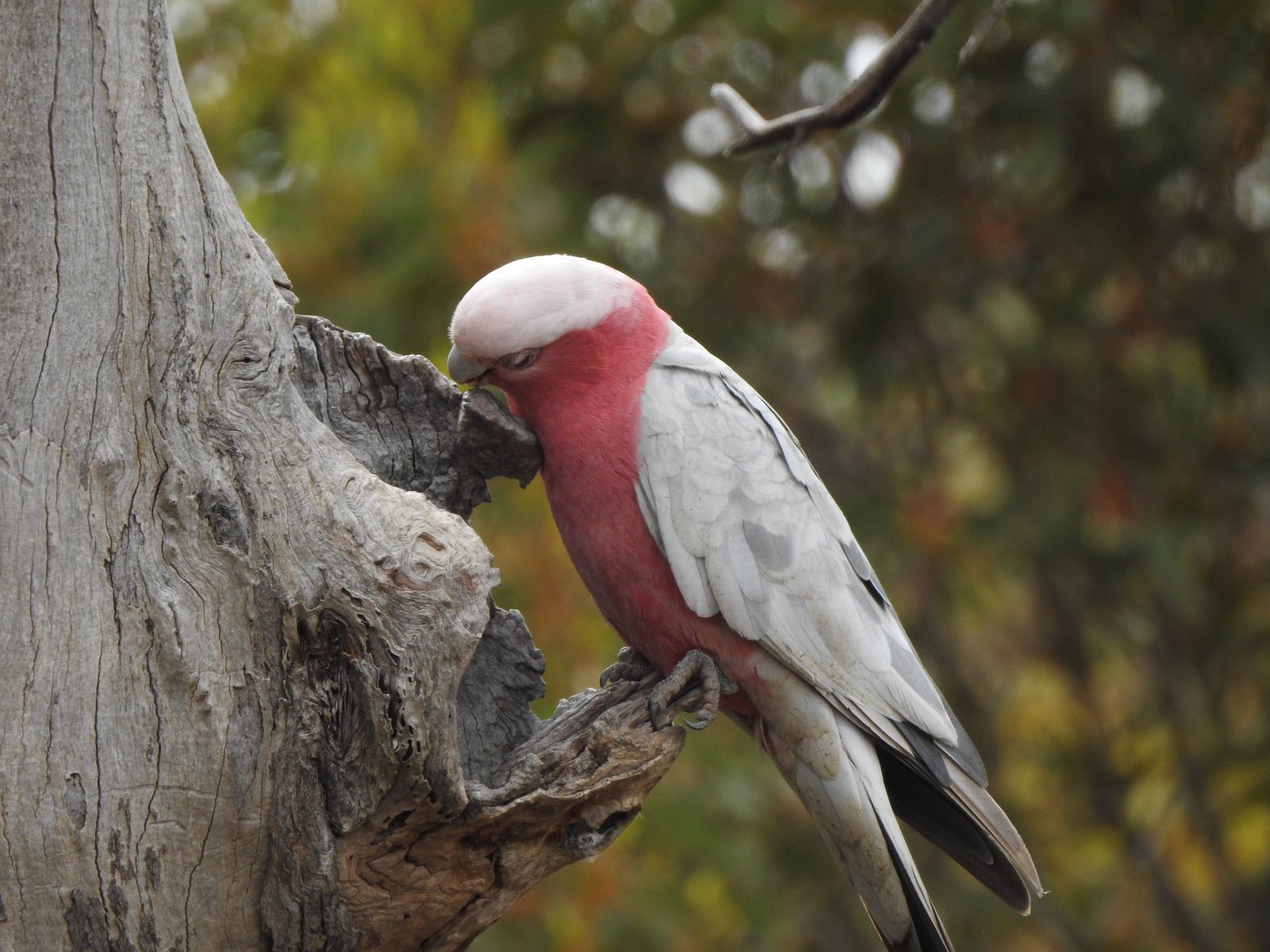
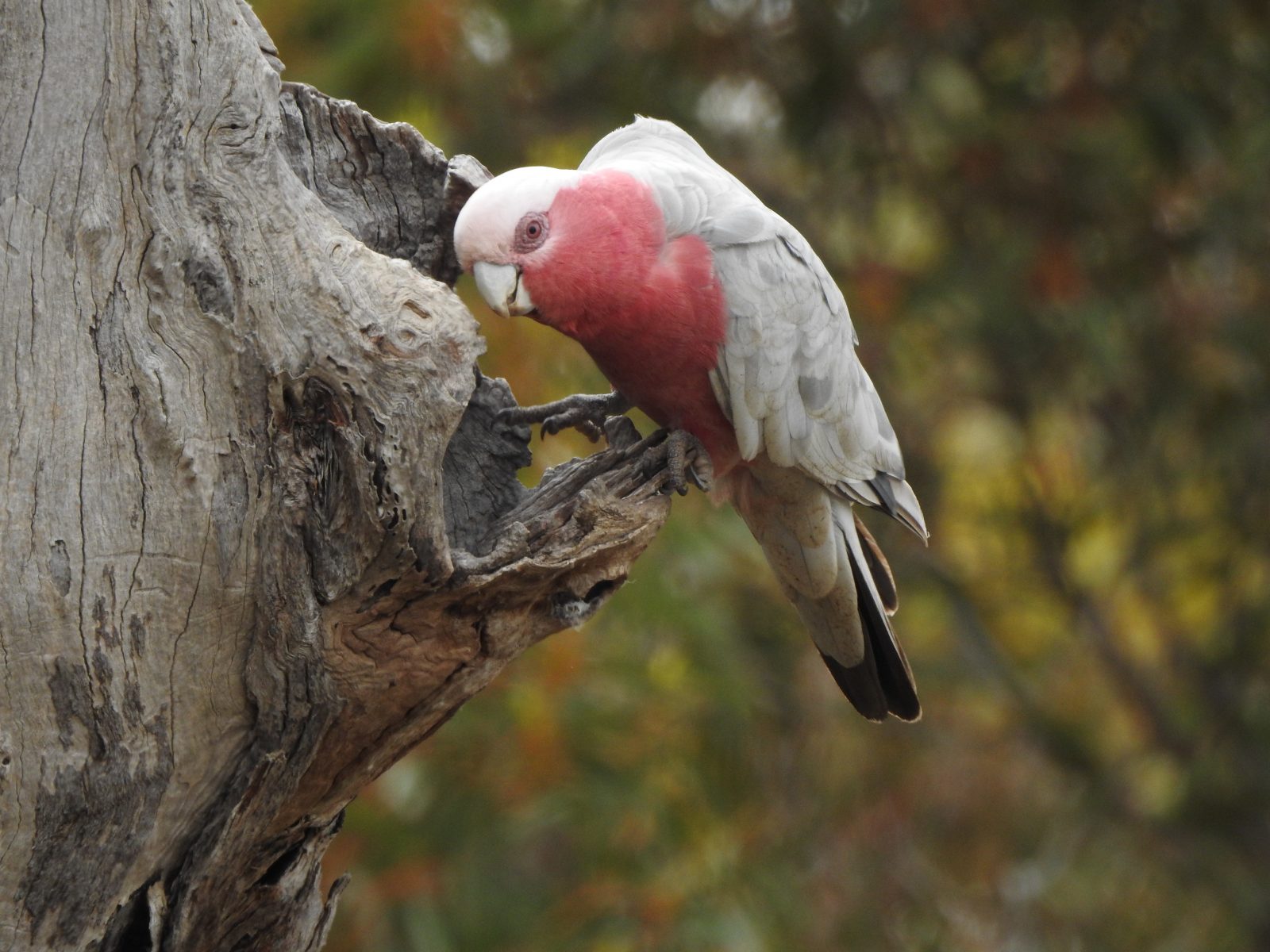
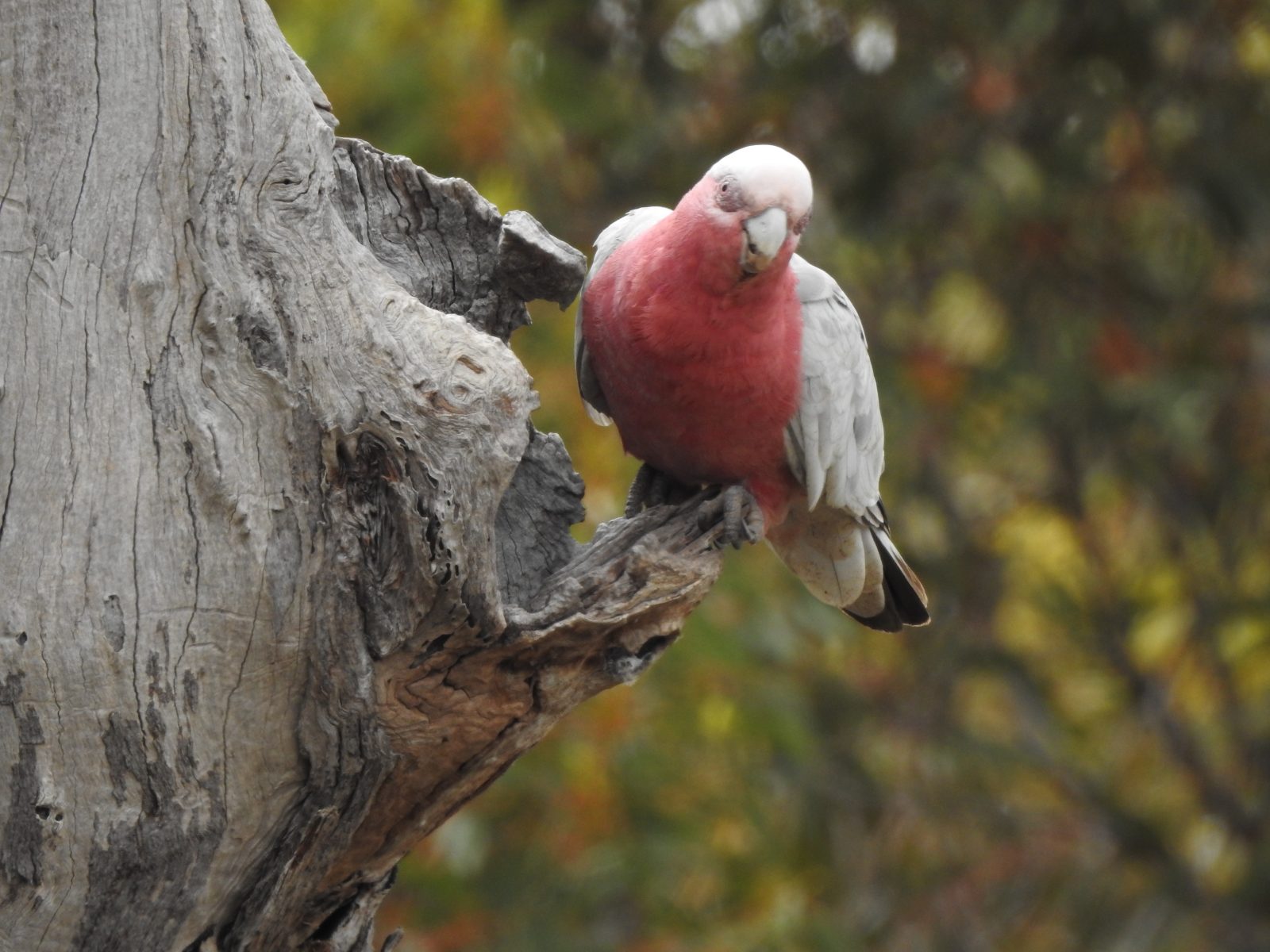
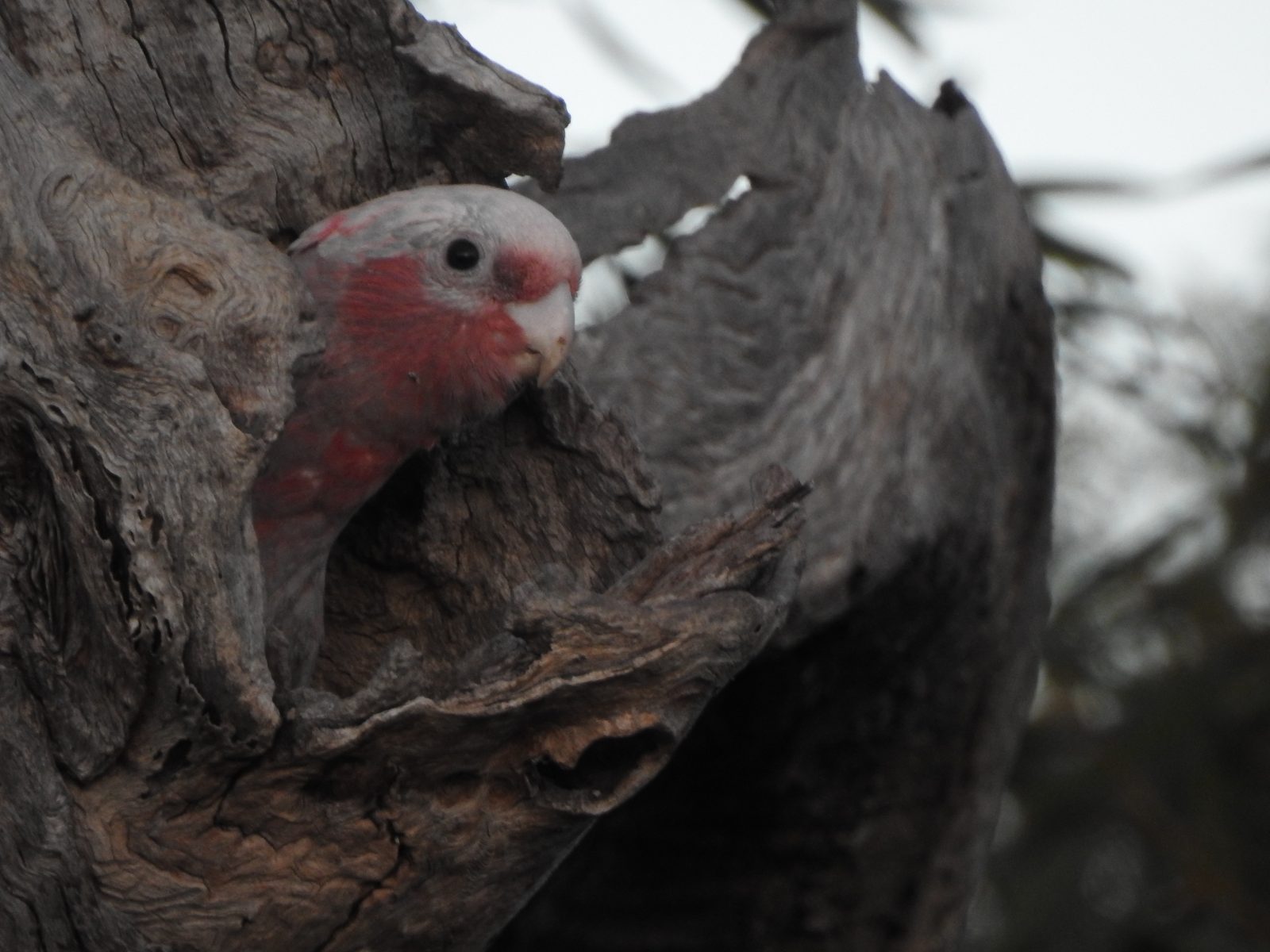
The well known Australian parrot, the Galah, is a very common bird in our district. Flocks numbering in the hundreds are common sights. I can confidently say that this is one species that we would see every day of the year, either flying overhead or perching somewhere in our garden.

Flocks are very common, as are pairs flying overhead. Occasionally I will see a single bird, like the one in the photo above. This one came in to have a drink from one of our bird baths recently.

Providing watering points like this in a home garden is the most effective way of supporting our native species, especially in the harsh, hot and dry climate we have here in southern Australia. If placed close to the house where you can see the birds but they can’t see you - or aren’t disturbed by you - can provide many hours of great birding.


New bird species for our garden list

Sulphur-crested Cockatoo

Sulphur-crested Cockatoo

I was sitting outside yesterday morning doing some reading. (Oh the joys of retirement.)

I was suddenly aware of an unusual bird call. After having lived for over 25 years in the same house one’s ears become attuned to what bird calls are normal for this area and anything unusual immediately gets my attention.

I walked warily around the corner of the house to find two Sulphur-crested Cockatoos in the large mallee tree next to our garage. This cockatoo is a common bird in many parts of Australia, but this was the first time I’d seen this species in our garden. After so many years I don’t often get the chance to add a new species to my garden list.

Sulphur-crested Cockatoo

Sulphur-crested Cockatoo

After I managed several photos they decided they’d posed enough for me and flew off to the eucalyptus trees in our neighbour’s front yard. Later in the morning I heard them squawking raucously as they flew off.

Sulphur-crested Cockatoos are very common in the Adelaide Hills and the Adelaide metropolitan area but I’ve never recorded them here in Murray Bridge. The nearest I’ve seen them is in Strathalbyn, about a half hour drive SW of here.

Sulphur-crested Cockatoo

Sulphur-crested Cockatoo


Aggressive birds

This morning I was on my way to take my mother-in-law shopping. As I passed the local golf course an Australian Magpie flew low and rapidly across the road in front of my car. Nothing unusual about that.

Hot on its tail, however, was a New Holland Honeyeater, aggressively chasing the much bigger magpie and snapping at its tail feathers.

It always amuses me how some of our smallest birds will actively and quite aggressively harass birds many times their size. Probably the most bizarre example I’ve seen is a Willie Wagtail coming in at about 20 cm (8 inches) attacking our largest bird of prey, the Wedge-tailed Eagle at about 110 cm (44 inches) and a wing span of 280 cm (112 inches).

These little birds know instinctively that the larger birds often prey upon their nests, taking eggs or baby birds. They seem to know no fear as they protect their little ones.

Australian Magpie

Australian Magpie

New Holland Honeyeater

New Holland Honeyeater

Willie Wagtail

Willie Wagtail


Australia Day 2010

Laughing Kookaburra, Lane Cove National Park, Sydney

Laughing Kookaburra, Lane Cove National Park, Sydney

January 26th is celebrated as Australia Day. This day commemorates the landing of the first European settlers in Australia. This event occurred at Sydney Cove on this day in 1788.

Australians celebrate this special day in many ways. Many people new to our country become naturalized Australians in moving ceremonies in many places. Other people attend family gatherings or get together with their friends. Some people go to the beach, others have a picnic or barbecue, and many people attend major sporting events.

I’m having a quiet day at home. I’ll do a little reading, watch the cricket and tennis on television and go for a swim in my swimming pool. Normally I’d go out and do some birding, but it’s reather hot today. Instead I’ll share some bird photos with you.

Australian Magpie

Australian Magpie

Emu, Monarto Zoo, South Australia

Emu, Monarto Zoo, South Australia

Galahs at nesting hollow

Galahs at nesting hollow