Lewin’s Honeyeater
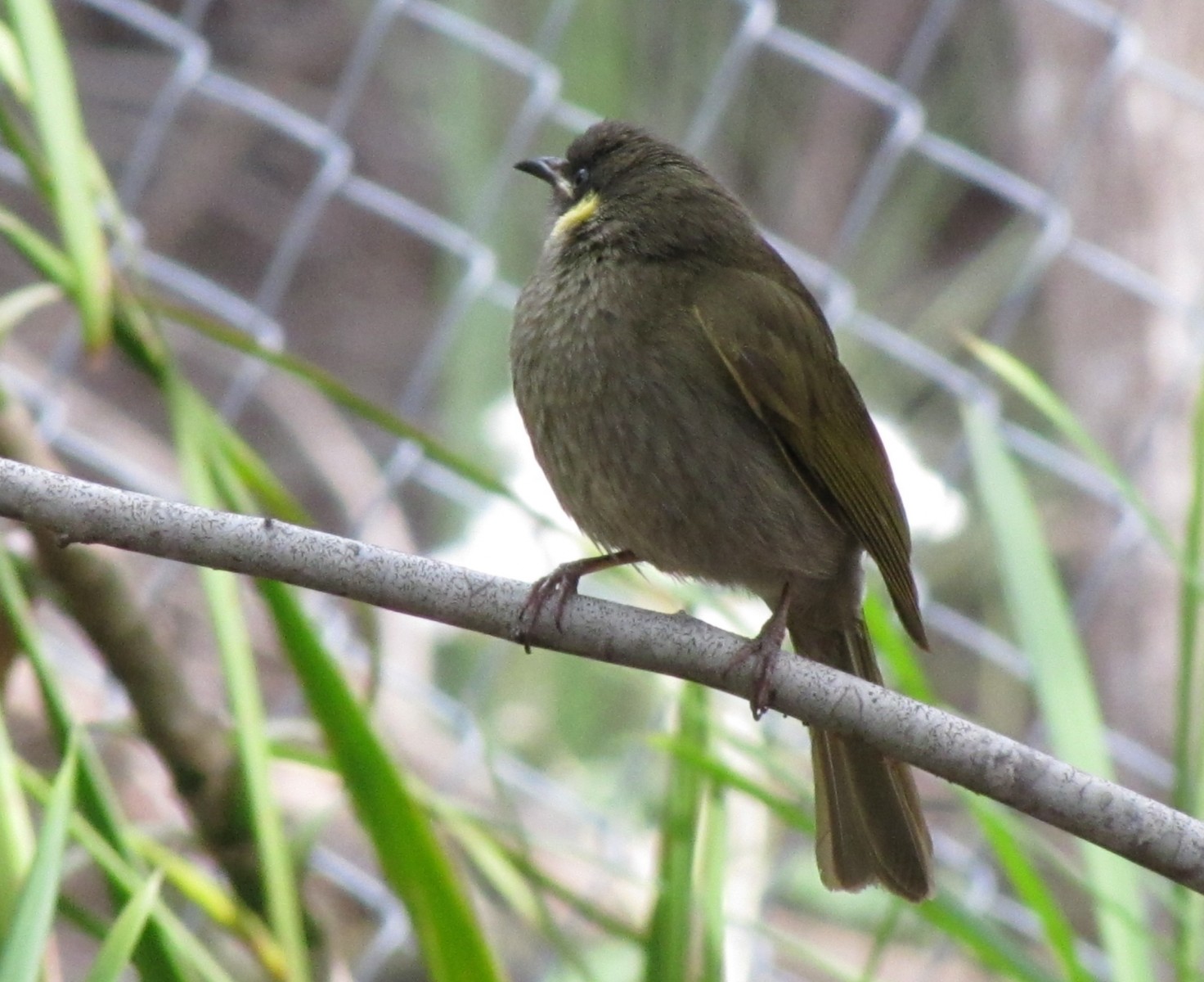
Lewin’s Honeyeater, Ku-ring-gai Wildflower Garden, Sydney
On our recent visit to Sydney to stay with family, my wife and I took out an afternoon to visit the Ku-ring-gai Wildflower Garden near St Ives. we’d been here on a number of other occasions and usually enjoyed the visit.
The gardens are open daily from 8am to 5pm and are accessed off Mona Vale Road. There is no entry fee and the education centre is available for functions for a fee. Extensive walking trails and picnic areas make this a very attractive place to visit, especially for birders and native plant enthusiasts like my wife.
Over a number of visits I have sometimes been a little disappointed with the bird life, but mostly it is quite good. The thick vegetation allows a wide range of small bush birds to hide in safety, but this sometimes can cause a little frustration identifying them, and especially challenging for photography. It was with delight then, that I captured reasonable shots of a Lewin’s Honeyeater. It posed for my camera for several minutes, perching on an exposed branch in range of my lens.
This species is found along the eastern coastal regions of Australia. This was a particularly pleasing sighting as I’ve only ever seen it on several previous occasions.
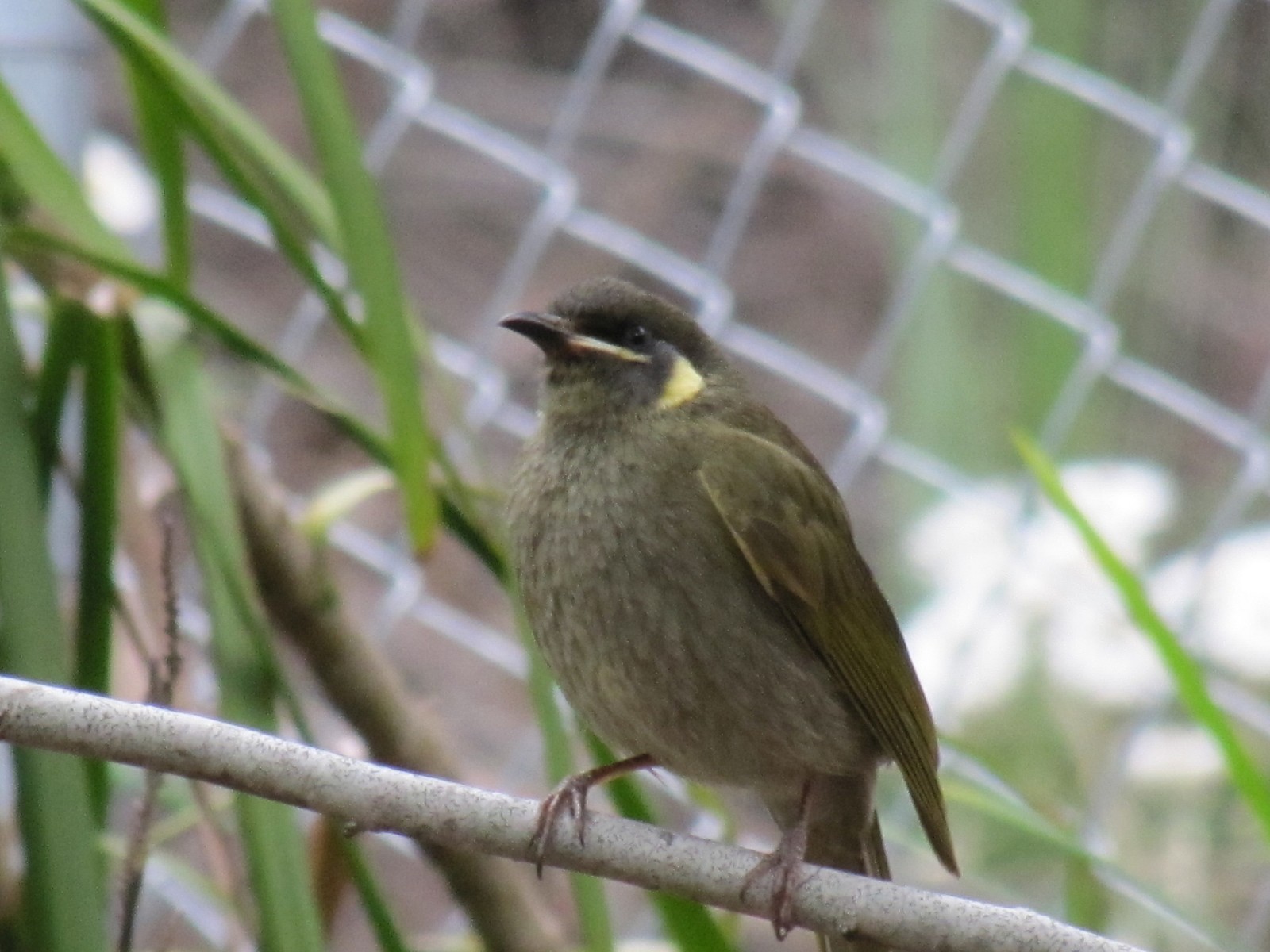
Lewin’s Honeyeater, Ku-ring-gai Wildflower Garden, Sydney
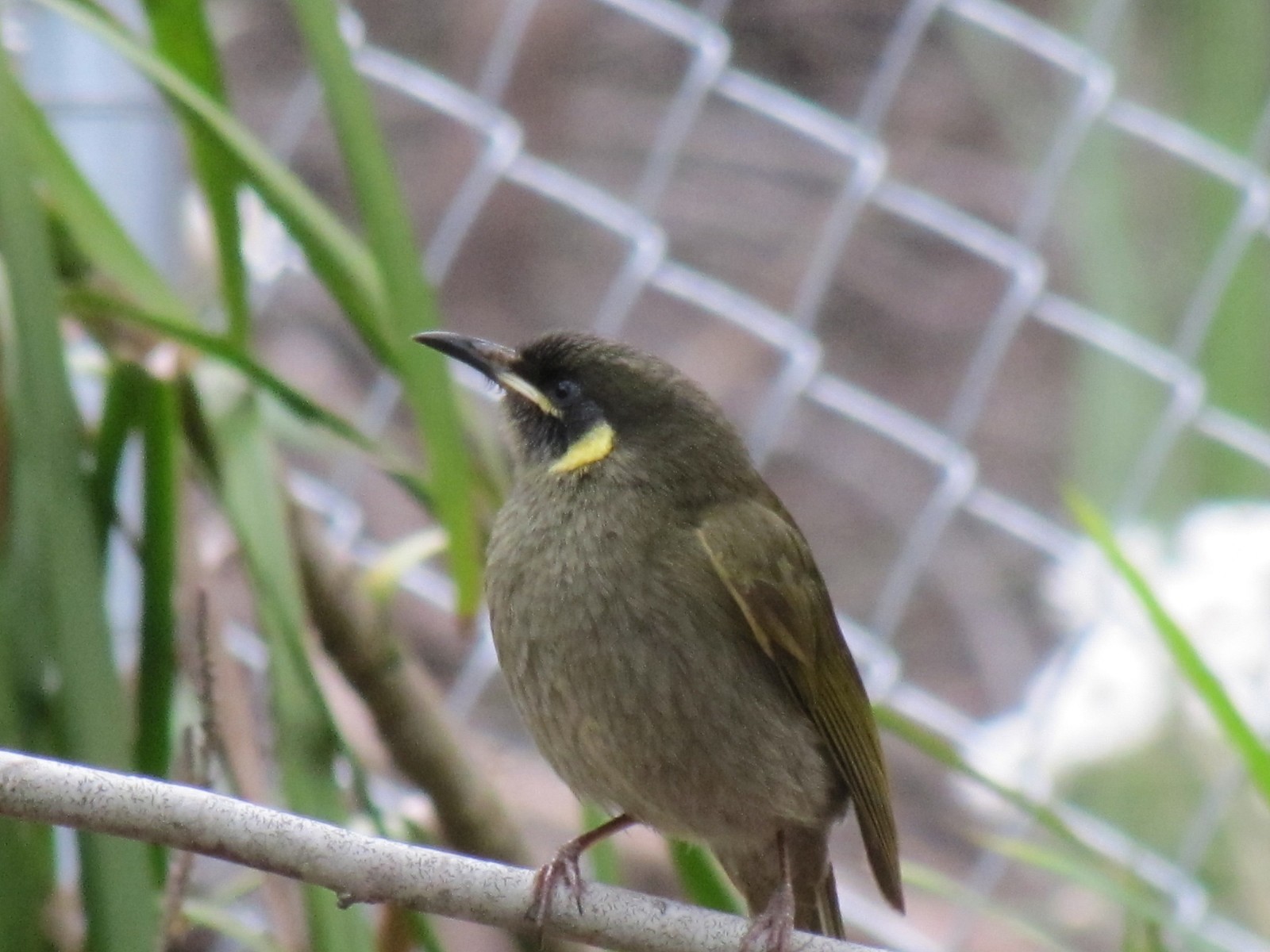
Lewin’s Honeyeater, Ku-ring-gai Wildflower Garden, Sydney
Noisy Miners, Sturt Reserve, Murray Bridge
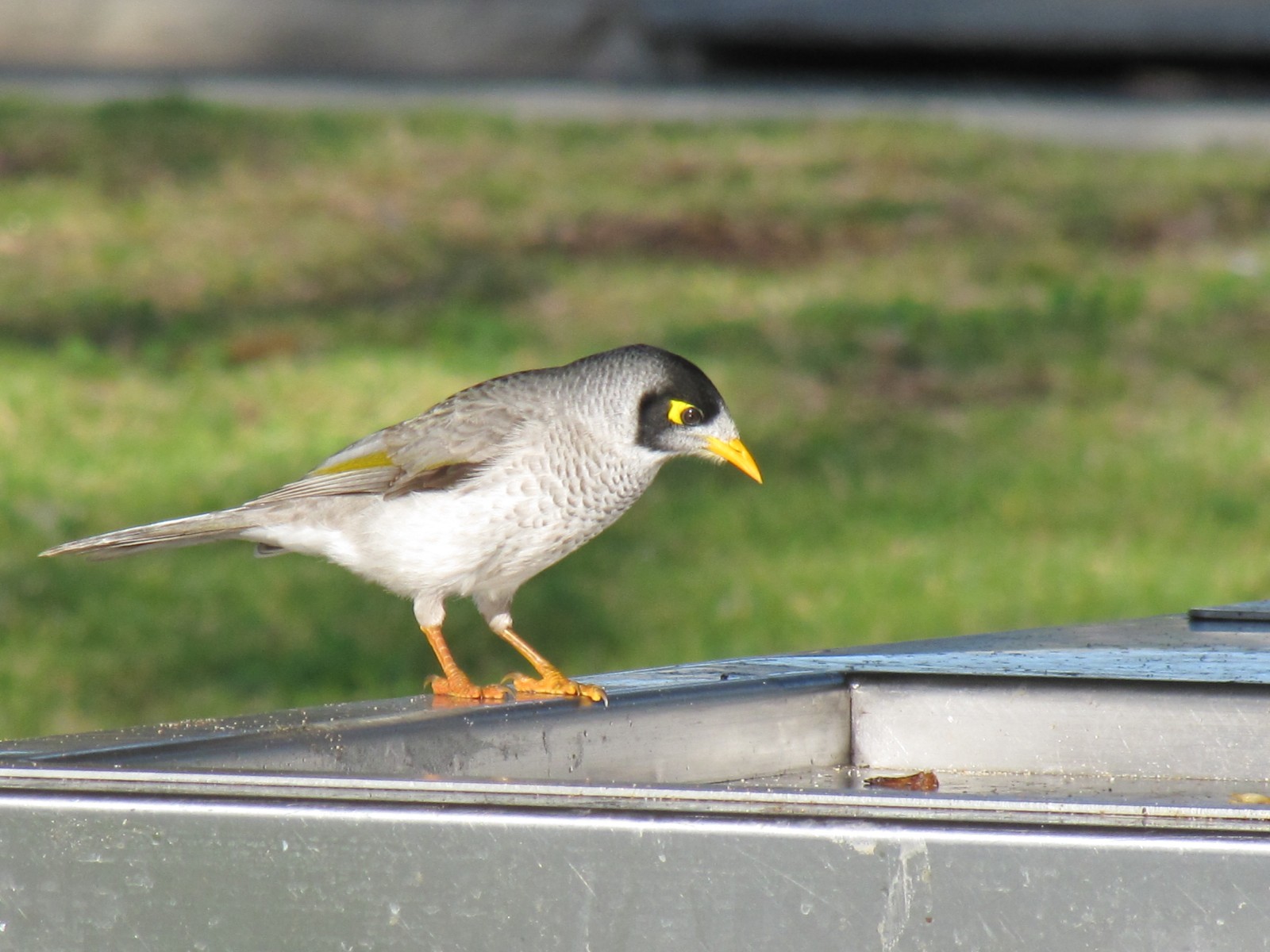
Noisy Miner, Sturt Reserve, Murray Bridge
The Noisy Miner, one of a very common native honeyeater species, is something of an enigmatic bird in our area. It is common almost everywhere, from gardens to parks, along the river and roadside vegetation and in nearby farming land. Yet I’ve never recorded this species on our five acre block which is about five kilometres from where this photo was taken.
My records go back almost 30 years and I only have one very dubious record of the species near our home. It was based entirely on call, but ever since I have doubted this record as being correct. I became a little excited a few weeks ago when I saw about a dozen in roadside trees along the nearby road where I go for my daily walk. So far, they haven’t ventured on to our land. One day, perhaps.
In reality, if they do become a resident species I probably won’t be all that pleased. They can be a little pest where fresh fruit is concerned, and they can also be very aggressive towards most other species, driving the smaller ones away and taking over feeding zones and nesting sites.
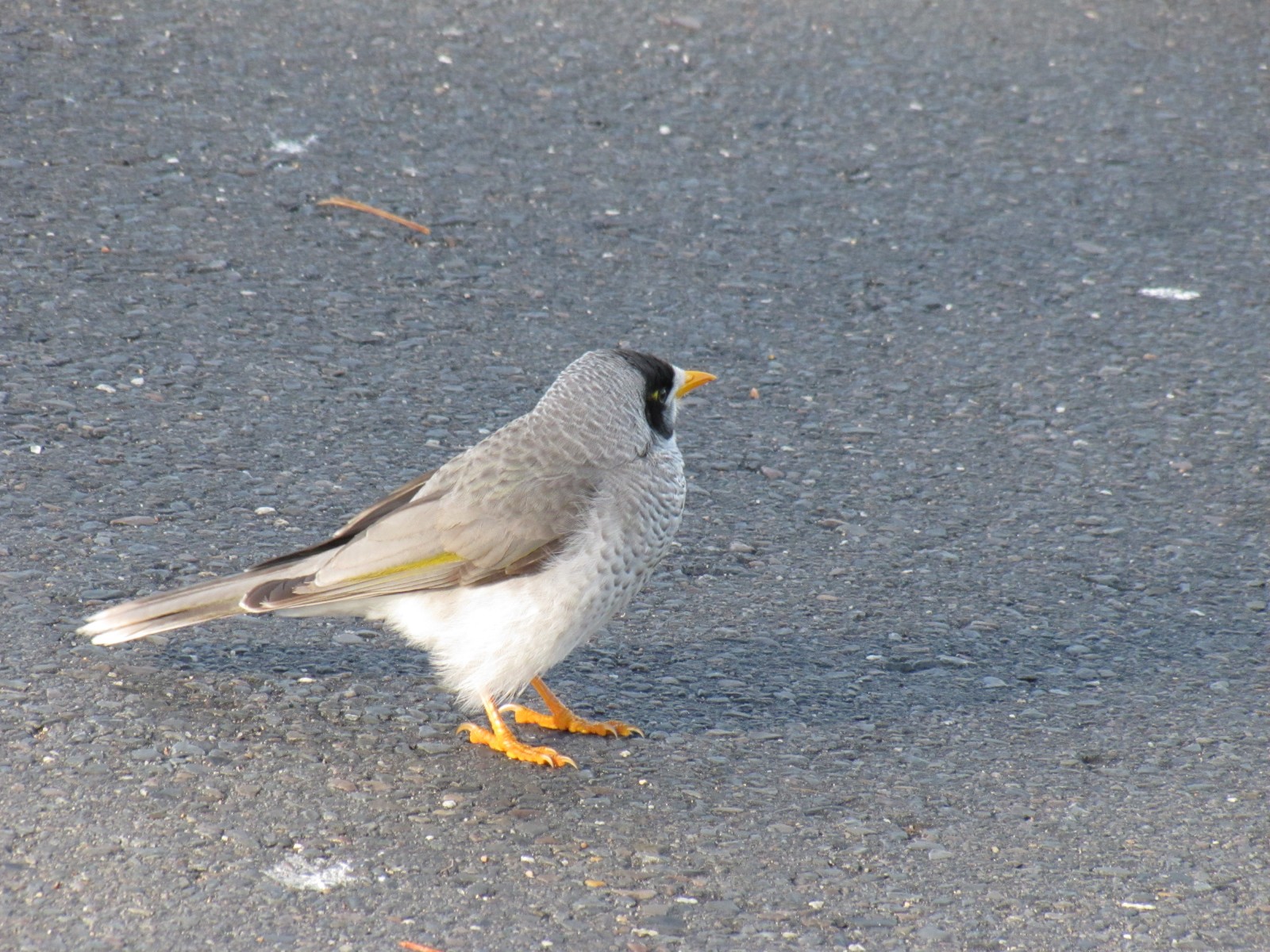
Noisy Miner, Sturt Reserve, Murray Bridge
Pardalote up close

Spotted Pardalotes
My regular daily walk takes me along a road bordering our five acre property and then towards a nearby railway line which runs from Adelaide to Melbourne. This road has a reasonable collection of remnant mallee vegetation between the road and the fences along nearby farms and other properties.
On a recent afternoon walk my attention was caught by the movement of a small bird in the roadside vegetation. I stopped to have a closer look, edging to within a metre. A Spotted Pardalote was feeding at a height of about a metre. Totally ignoring me it continued to feed while I watched up close. I admire these beautiful little birds whenever I see them, and their cheerful chirping in our garden is always welcome.
I usually don’t take my camera on these walks, so I’ve included a photo I took some time ago of two of this species visiting one of our birdbaths in our garden.
Perhaps I should get into the habit of taking my camera on my walks because I’ve missed some excellent photo opportunities in recent weeks.
Adelaide Rosellas in our garden
1 Comment »7th July, 2012; Category: Cockatoos and Corellas, Flowers, Garden birds, Murray Bridge, Parrots and Lorikeets
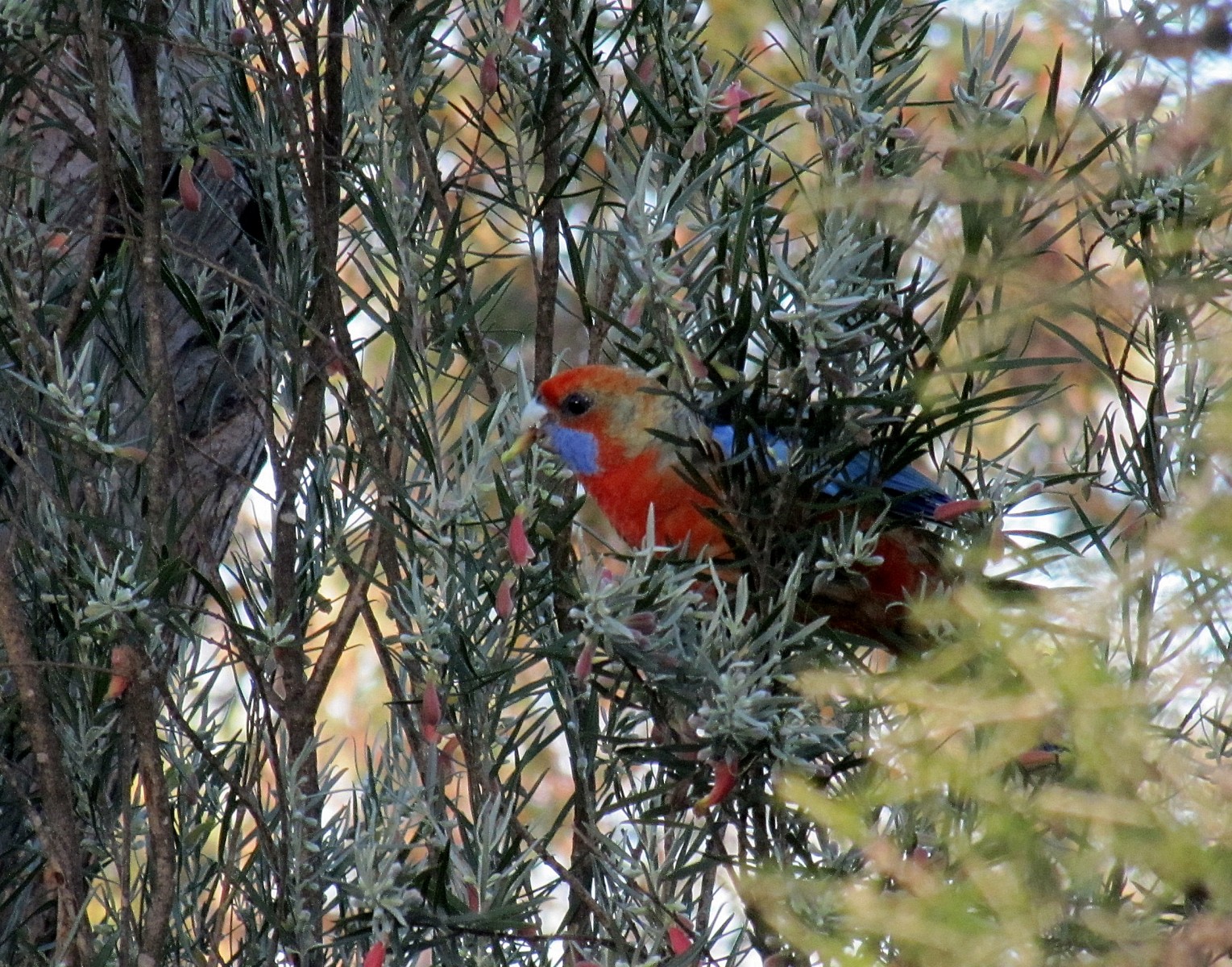
Adelaide Rosella, Murray Bridge, South Australia
In our garden and five acre block of land on the outskirts of Murray Bridge in South Australia we have many different species of birds – over 100 in fact. Of those that are resident or occasional visitors we have a good range of parrots.
Perhaps the most abundant would be the Galah, a very common species in the district with flocks numbering in the many hundreds. Another common species is the Little Corella but this is usually a species which only flies overhead, also in large numbers. Other parrots present in smaller numbers include Rainbow Lorikeets, Purple-crowned Lorikeets and Sulphur-crested Cockatoos. Mallee Ringnecks are a resident breeding species. One individual keeps company with an Eastern Rosella, a species not normally present around here (I suspect it is a cage escape.)
Every month or so we have a short visit from several Adelaide Rosellas, shown in today’s photos. This is a sub-species of the Crimson Rosella of the eastern states. The Crimson Rosella is a much deeper red colour, while the Adelaide Rosella is more of an orange colour. In the northern parts of its range in South Australia (eg the lower Flinders Ranges) the orange colour can be quite washed out.
The birds which came to visit us last week are much brighter red than most Adelaide Rosellas, leading me to think that they may be moving north from the South East districts of South Australia where the more brightly coloured birds occur. Just a theory. On the other hand, I don’t have to travel too many kilometres west to see the typically washed out orange rosellas common in the Adelaide region.

Adelaide Rosella, Murray Bridge, South Australia
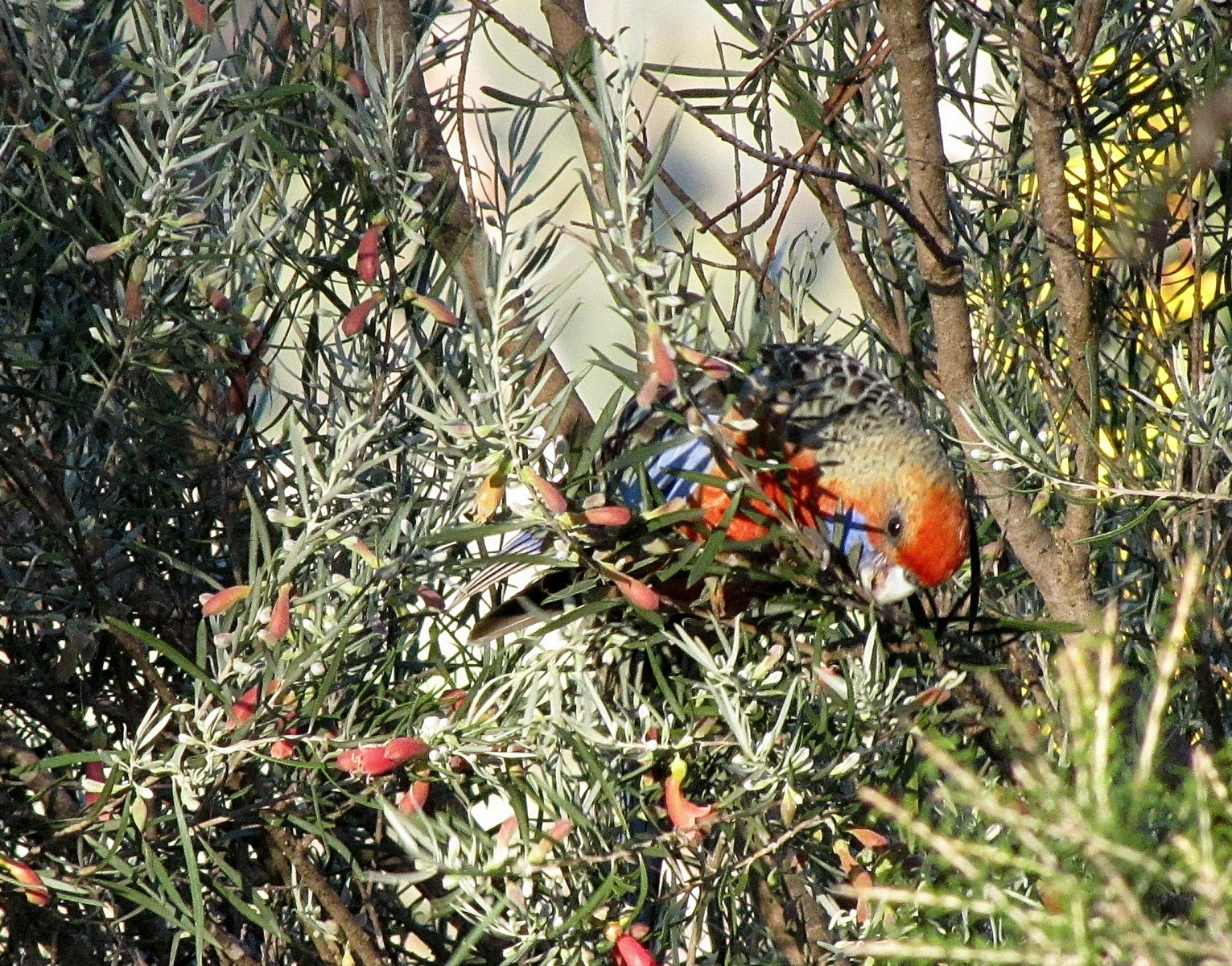
Adelaide Rosella, Murray Bridge, South Australia
Welcome to readers of the Murray Valley Standard

Sturt Reserve, Murray Bridge, South Australia
Welcome to all of those readers who have come to this site as a result of reading the article in today’s Murray Valley Standard newspaper. I am pleased that you made the effort and hope you enjoy my articles and photos about birds.
This site is about sharing my interest in Australian birds seen in our garden here in Murray Bridge, along the river and other places throughout Australia whenever I get the chance to travel. Some of my articles also include photos of birds seen on various overseas trips, the latest being recently in Ethiopia, Morocco and Spain. Many of these photos will continue to appear over the coming months.
Comments
My sites are all interactive, meaning that readers can leave comments. Just click on the link that says “comments” just under the heading of this article (above and to the right of the photo above). I’ll respond to as many as I can.
If you want to find out more about me, click here (the link takes you to my writing site).
If you want to read about my travels, including overseas, click here. That site also includes many photos.

Australian Pelican, Sturt Reserve, Murray Bridge, South Australia

Purple Swamphen, Sturt Reserve, Murray Bridge, South Australia